
Sleep Divorce in Menopause: Separate Beds, Same Marriage
Picture this. It's 2:47 a.m. and you're awake again, peeling a damp sheet off your legs while he snores loud enough to rattle the water glass on the nightstand. You do the math on how many hours are left before the alarm, and then you think about the guest room down the hall with its cool sheets and its closed door. Except this week it's full of relatives who drove in for Thanksgiving. So you lie there and count the blades on the ceiling fan.
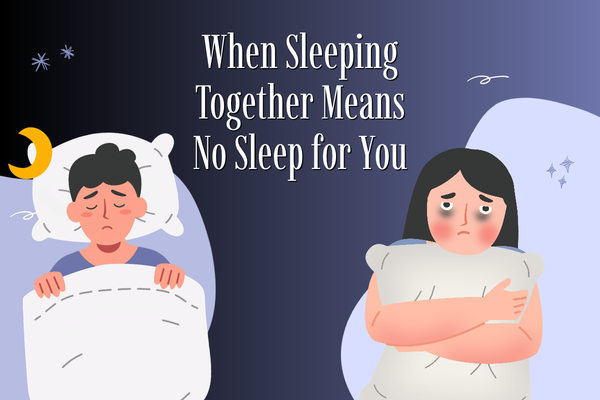
If you've been wondering whether a sleep divorce in menopause means something is wrong with your marriage, here's the plain answer. Sleeping in separate beds or separate rooms so both of you can rest is a decision about sleep. Your marriage gets its say in how you set it up, and whether you keep showing up for the closeness and intimacy that used to happen by default when you slept under the same covers.
You're in Good Company
When the American Academy of Sleep Medicine surveyed adults in 2024, 29% said they sleep in a different bed or room just to get some rest. The year before, about 35% said they did it at least occasionally.
Now layer midlife on top of that. In a CDC data brief on women 40 to 59, 56% of perimenopausal women slept less than seven hours a night. So if you've been sneaking off to the couch at 3 a.m. and feeling a little guilty about it, you're far from the only one.
As a nurse, I've written before that 3 a.m. is not a reliable narrator. A sleep-deprived brain is shorter on patience and quicker to read a snore as a personal attack. Some of the irritation you feel toward the man who sleeps peacefully beside you may have more to do with five hours of broken sleep than with him.
Figure Out What Is Actually Waking You Up
Before anyone drags a mattress to the other end of the house, get specific about the cause. "We sleep badly together" is too vague to solve. The fix for your heat is different from the fix for his noise.
If you're the one waking up drenched, the disruption is starting in your body. Night sweats are worth bringing to your clinician, because there are more options on the table now than there were a decade ago, and I walk through some of them in HRT Is Everywhere Right Now. A separate room can buy you rest while you sort that out, but it won't explain why you're overheating in the first place.
If he's the one keeping you up, listen closely one night. Sleep experts say snoring that comes with gasping or pauses in breathing is a strong sign of sleep apnea, and that deserves a doctor visit. Moving down the hall solves your night, but it leaves his problem untouched.
Then there are the quieter culprits, like a night owl married to an early bird, or two bathroom trips a night. Write it down for a week. Patterns on paper are easier to talk about than a vague sense that you're always tired. (If your symptoms don't add up on a lab report either, this post on tracking patterns is a good next read.)
Try the Middle Ground First
A sleep divorce doesn't have to mean separate rooms every night forever. Harvard Health suggests trying compromises first, like earplugs or a sound machine for snoring, or two beds in the same room when one person is up a lot at night.
My favorite low-drama option is two separate comforters on the same bed. You get a light quilt for the 3 a.m. heat wave and he keeps his heavy one. The AASM found that about 10% of people have already tried this "Scandinavian sleep method", and it costs a lot less than a remodel.
You can also go part time: weeknights apart and weekends together, or a two-week "sleep holiday" during a rough stretch of night sweats.
We've never had a TV in our bedroom, because I've always believed the bedroom is only for sleeping and intimacy. A sleep divorce can honor that same rule. If the bed has turned into the place where you lie awake resenting someone you love, protecting your sleep may be the kindest thing you can do for both of you.
And if you've spent months lying there "keeping the peace" instead of saying what you need, that's a pattern worth looking at. Episode 2 of my free Private Audio Series is about exactly that: the quiet habit of talking yourself out of what you already know you need.

Sleep Apart Without Drifting Apart
The real risk of a sleep divorce is losing the small, unplanned moments, like the end-of-day recap or the "goodnight" that turns into something more. If those quietly disappear, you'll feel it in the relationship.
So plan for them. Harvard Health recommends scheduling intimacy before bed and then heading to separate rooms, with a comfortable bed for each of you so nobody ends up on the couch. They also suggest frequent check-ins, because an arrangement that only helps one partner turns into a brand new source of resentment.
Pay attention to how you bring it up. Lead with what you want, which is to sleep well enough to actually like each other in the morning. Then invite him into the solution instead of handing him a verdict. Most husbands have no idea how often they're waking you. (Where would they have learned it? They were asleep.)
Intimacy and intercourse aren't the same thing. I made that case in my Bedroom Reboot checklist, and it applies here too. Twenty minutes curled up together before lights out can keep you closer than eight hours of tossing and turning side by side.
Keep Your Decisions Reversible When You're Exhausted
About five years into perimenopause, I seriously wondered whether my marriage had run its course. Some days the man across the dinner table felt like a stranger. We stayed together, but it took some serious effort and commitment from both of us. We both had to learn better communication. I'm so grateful I didn't make a permanent decision while I was in the middle of becoming someone new.
Moving to the guest room for a few weeks is a reversible decision, which is exactly the kind you should be making when you're running on fumes. Better rest gives you a clearer head for the bigger conversations.
So back to that Thanksgiving guest room. The relatives will pack up and head home this weekend. When they do, put fresh sheets on that bed and try it for two weeks, keeping your before-bed time together. Then notice two things: how rested you feel, and how you and he talk to each other in the morning.
If you want to see what's actually draining your energy (sleep included), the 14-Day Energy Pattern Audit gives you a daily tracker that only takes a few minutes each day and a guide to spot your biggest energy drain, plus one small adjustment to test first.
TL;DR
Does sleeping apart mean my marriage is in trouble?
Not by itself. Plenty of couples who like each other a lot sleep apart because one of them snores or overheats. What tells you more about your marriage is whether you're still making time to connect and whether you can talk openly about the arrangement.
How do I bring it up without hurting his feelings?
Lead with the goal, which is better sleep for both of you, and leave blame out of it. Try a short trial with a set check-in date so it feels like an experiment you're running together.
Should I see a doctor about night sweats or his snoring?
Yes, for both. Night sweats that wreck your sleep are worth a conversation about your options. Snoring with gasping or pauses in breathing can point to sleep apnea, and a separate room won't help his health.
Does it have to be permanent?
No. Many couples sleep apart only during a rough stretch of night sweats or on busy weeknights. Revisit it every few weeks and change course whenever it stops working for either of you.
This article is for educational purposes and isn't individualized medical advice. New, persistent, severe, or concerning symptoms should be discussed with a qualified healthcare professional.